Transform Your Home with the Art of House Painting

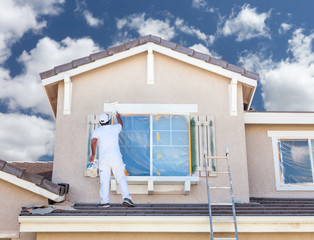
House painting is one of the most effective and affordable ways to give your home a fresh new look. Whether you are preparing your property for resale, updating the interior to reflect your style, or refreshing the exterior for better curb appeal, a new coat of paint can completely transform a space. Beyond appearance, painting your home also provides protection, increases value, and enhances comfort. By understanding the essentials of house painting, homeowners can make informed decisions that deliver long-lasting results.
house painting

The Importance of House Painting

Painting your home is more than a cosmetic upgrade—it’s a vital part of home maintenance. The exterior of a house is constantly exposed to sunlight, wind, rain, and other elements that can cause damage over time. A well-applied paint job acts as a protective shield, preventing moisture from seeping into walls and protecting surfaces from mold, mildew, and pests. Inside the home, paint not only creates a welcoming atmosphere but also safeguards walls from daily wear and tear.

Interior House Painting

Interior painting offers homeowners a way to personalize their spaces and create the desired mood in each room. Choosing the right colors and finishes can make a big difference in how a room feels.

  • Color Selection: Light colors can make rooms appear larger and brighter, while darker shades add depth and coziness. Neutral colors are timeless, but bold tones can bring energy and character.
  • Finish Options: Flat or matte finishes hide imperfections, while eggshell and satin finishes offer durability for high-traffic areas. Semi-gloss and gloss finishes are ideal for kitchens, bathrooms, and trim due to their resistance to moisture and stains.
  • Preparation: Proper prep work is essential. Cleaning walls, patching holes, and sanding surfaces create a smooth canvas for paint. Using painter’s tape ensures clean edges and a professional look.

Exterior House Painting

Exterior painting requires more durability and preparation since it must withstand weather changes. A quality exterior paint job can last for years if done correctly.

  • Surface Preparation: Exterior walls must be cleaned thoroughly to remove dirt, mildew, and loose paint. Power washing is often used, followed by scraping and sanding any peeling areas.
  • Weather Considerations: Exterior painting should be scheduled during mild weather to allow proper drying and adhesion.
  • Protection: High-quality paints designed for exteriors help resist cracking, fading, and peeling. Applying a primer before painting enhances durability and improves coverage.

Benefits of House Painting

A fresh coat of paint can bring multiple benefits, making it a valuable investment for any homeowner:

  • Increased Curb Appeal: Exterior paint boosts your home’s first impression and makes it more attractive.
  • Higher Property Value: Updated interiors and exteriors can increase resale value.
  • Surface Protection: Paint acts as a barrier against moisture, insects, and other potential damage.
  • Healthier Environment: Modern paints often contain low or no volatile organic compounds, contributing to cleaner indoor air quality.
  • Personalization: Paint reflects your personality and allows you to create spaces that feel like home.

DIY vs Professional Painting

Some homeowners choose to tackle house painting projects themselves, while others prefer to hire professionals. Both options have advantages and drawbacks.

  • DIY Painting: Doing it yourself can save money and offer personal satisfaction. However, it requires time, tools, and skills to achieve a polished result. Mistakes like streaks, drips, or uneven coverage can be costly to fix.
  • Professional Painting: Hiring experienced painters ensures efficiency, proper techniques, and long-lasting results. Professionals also handle prep work and cleanup, saving homeowners time and effort.

Tips for a Successful House Painting Project

Whether you decide to paint yourself or hire professionals, following best practices will make the project smoother and more successful:

  1. Test Colors First: Paint a small section to see how colors look in different lighting.
  2. Invest in Quality Materials: Better paints and brushes lead to better results and longer durability.
  3. Use Primer When Needed: Primer improves adhesion and prevents stains from bleeding through.
  4. Protect Furniture and Floors: Cover surfaces with drop cloths to avoid accidental paint spills.
  5. Apply Multiple Coats: Two thin coats often provide better coverage than one thick coat.

Choosing the Right Colors for Your Home

Color selection plays a major role in creating the right atmosphere. Understanding color psychology can help guide your choices:

  • Warm Colors: Shades of red, orange, and yellow create energy and warmth.
  • Cool Colors: Blues, greens, and purples evoke calmness and relaxation.
  • Neutral Colors: Whites, grays, and beige tones offer versatility and sophistication.
  • Accent Walls: A single bold-colored wall can add dimension and character to a room without overwhelming it.

For exterior colors, it’s wise to choose shades that complement the home’s architectural style and blend harmoniously with the surrounding environment.

How Often Should You Paint Your House

The frequency of repainting depends on several factors such as climate, paint quality, and surface condition.

  • Exterior Walls: Typically every 5–10 years, depending on material and exposure.
  • Interior Walls: High-traffic areas may need repainting every 3–5 years, while less-used rooms can last longer.
  • Trim and Doors: These areas may require touch-ups more frequently due to heavy use.

House painting is a powerful way to refresh, protect, and personalize your home. From enhancing curb appeal to creating inviting interiors, a well-executed paint job delivers both practical and aesthetic benefits. Whether you decide on a DIY project or hire professionals, proper preparation, quality materials, and smart color choices are key to achieving lasting results.

By maintaining your home with regular painting, you not only extend its life and beauty but also create an environment that reflects your style and adds value to your property. A little paint can go a long way in turning a house into a home you’re proud of.

Posted in Uncategorized | Comments Off on Transform Your Home with the Art of House Painting

Cabinet Refacing for Bathroom Cabinets

Cabinet Refacing Sacramento

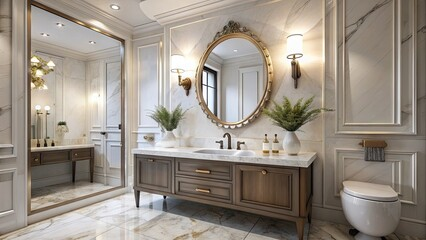
Cabinet Refacing Sacramento offers the look of new cabinets for a fraction of the cost of a complete kitchen or bathroom remodel. This simple renovation keeps existing cabinets in place while replacing the cabinet doors and drawer fronts.

Cabinet refacing uses rigid thermofoil or medium-density fiberboard to cover the existing face frames and sides of exposed cabinet boxes. There are several benefits of this popular remodeling solution:

Cost-Effective

Cabinet refacing is an affordable option for homeowners looking to refresh their bathroom cabinets without spending the money or time of a complete remodel. This process involves applying a new veneer or cover to existing cabinet boxes, and replacing door and drawer fronts to match the refaced frames. This results in a brand-new look and feel for the space at a fraction of the cost of a complete remodel or custom cabinet replacement. It also allows for the flexibility of adding upgrades like soft-close hinges and crown molding later, as budget and priorities allow.

The overall average cabinet refacing cost is influenced by many factors, including the material used and the labor required to install it. Choosing a contractor with a reputation for quality installation also helps reduce costs, as does timing your project strategically to take advantage of seasonal sales on upgrade materials. Similarly, negotiating package deals with your contractor to include multiple upgrades can save you money in the long run.

Whether or not to hire professionals for the work is a big decision that impacts overall costs, as well as the final results. Beware of surprisingly low quotes, as these may be indicative of cut corners or a rushed job that could lead to future issues. Ultimately, the decision to hire pros is usually worth it in the long run because they offer greater peace of mind, a quicker turnaround, and a quality finish that will last much longer than a DIY approach.

It’s important to have a clear idea of what you want to accomplish and be realistic about your skills. While refacing is an achievable home improvement project for most people, it’s still a large undertaking and should be treated with care. An inexperienced installer can create a botched job that will require costly repairs and can make your bathroom look worse than it did before.

The benefits of refacing your bathroom cabinets are endless, but you should know what to expect before starting the project. A professional will be able to walk you through the steps, help you avoid expensive mistakes, and provide you with an accurate estimate before beginning work.

Time-Saving

Cabinet refacing is considerably faster than a full replacement because it doesn’t require removing the existing cabinets or modifying their structural framework. It’s also less expensive than a major renovation because it involves fewer materials. However, it’s still a significant project that demands thorough planning and professional skills.

A refacing contractor will evaluate the existing bathroom cabinet structure and look for signs of water damage or warping. Then, they’ll inspect the hinges and drawer slides to determine whether or not they work properly. If the existing hardware is in good condition, refacing might be a better option than a complete replacement.

During the preparation stage, your contractor will clean the surfaces to ensure they’re free of grease and grime. Then, they’ll lightly sand the surface to create a rough texture that improves adhesion for the new veneer. Once the surface is prepped, your contractor will apply the new vinyl “skins” to the exposed surfaces of the cabinet boxes, giving them a whole new look. The skins are available in many colors and finishes, so you can choose one that matches your bathroom design aesthetic.

Once the refacing is finished, your contractor will install the new cabinet doors and hardware. They’ll take care to carefully remove and replace the existing hardware, making sure they don’t damage or scratch the newly refaced cabinets.

Then, they’ll install the new hinges and drawer pulls to match your new refacing. Lastly, they’ll install the new handles or knobs to finish off the look.

The entire process of refacing is much quicker than a full replacement, which means you’ll spend less time working on your bathroom renovation and get to enjoy your refreshed space sooner. It’s also a more environmentally friendly choice, as you’re not throwing away your old cabinet vanity and wasting raw materials. Additionally, refacing allows you to use more durable materials like solid wood and rigid thermofoil that resist moisture and daily wear. You can even find wood alternatives that are specially treated to withstand bathroom environments and offer the same great look for less.

Eco-Friendly

Over time, moisture and daily use can take a toll on cabinetry. While a full renovation is an ideal solution for structural issues, many homeowners are looking for an affordable alternative that allows them to visually update their bathroom cabinets. Refacing is the perfect option, as it eliminates the expense of complete replacement while reducing waste and resource consumption.

When it comes to bathroom cabinet refacing, choosing the right materials is key to maintaining a durable, beautiful finish. Moisture-resistant finishes are essential in this environment, where humidity can cause the wood to warp or crack. There are a variety of cabinet finishes available, from modern high-gloss laminates to more traditional natural wood veneers. When paired with moisture-resistant hardware, your new cabinetry will look stylish and fresh for years to come.

Choosing the right color is another important element to consider. Soft grays and warm whites create a relaxing vibe, while darker shades can add a more luxurious aesthetic. You can also opt for a more bold look, like dark blues or greens, which offer a dramatic contrast against the light colors of your bathroom furnishings.

Finally, the cabinet door and drawer front profiles and hardware can make or break your bathroom design. Slab doors are popular for their clean lines, while shaker profiles add timeless versatility to any aesthetic. Choose handles and knobs that are both functional and stylish, and able to withstand the frequent exposure to moisture in your bathroom.

In addition to the visual impact of cabinet refacing, this eco-friendly home remodeling technique is good for the planet. By reusing existing cabinet boxes, it reduces the demand for resources and lessens landfill waste. Additionally, refacing uses fewer materials than full remodels and takes up much less space, which results in a smaller carbon footprint.

While refacing is an environmentally-friendly choice, it’s not a suitable option for all types of bathroom cabinets. If your cabinets are severely damaged, refacing isn’t the best choice and may require a complete replacement. Similarly, if your bathroom layout isn’t functional or doesn’t work well with the rest of the room, you’ll likely need to opt for a complete renovation.

Customizable

Cabinet refacing is customizable and can give your bathroom cabinets a whole new look without a complete remodel. You can use different materials for the cabinet face frames and sides, as well as doors, depending on the design you want. This can give your bathroom a modern, traditional, or contemporary look. You can also replace the cabinet hardware, such as hinges and handles, to match your new look.

You can also refinish the existing cabinets instead of refacing them. This is a less expensive option, but it requires sanding down the cabinets and staining or repainting them. The disadvantage of this is that it takes much longer, and it may not be possible if your existing cabinets are damaged or don’t fit well.

When you’re ready to reface your bathroom cabinets, make sure to measure carefully so that you can order the correct-sized cabinet doors and drawer fronts. You’ll also need to clean the face frames and other surfaces of the cabinets thoroughly before you start refacing them to ensure that the veneer or paint adheres properly. A degreaser is usually a good choice to remove oils and other residues from the cabinet boxes and face frames. If you do this correctly, your cabinet refacing project will be a success and give your bathroom a fresh, updated look.

Posted in Cabinet Refinishing | Tagged , , , , | Comments Off on Cabinet Refacing for Bathroom Cabinets